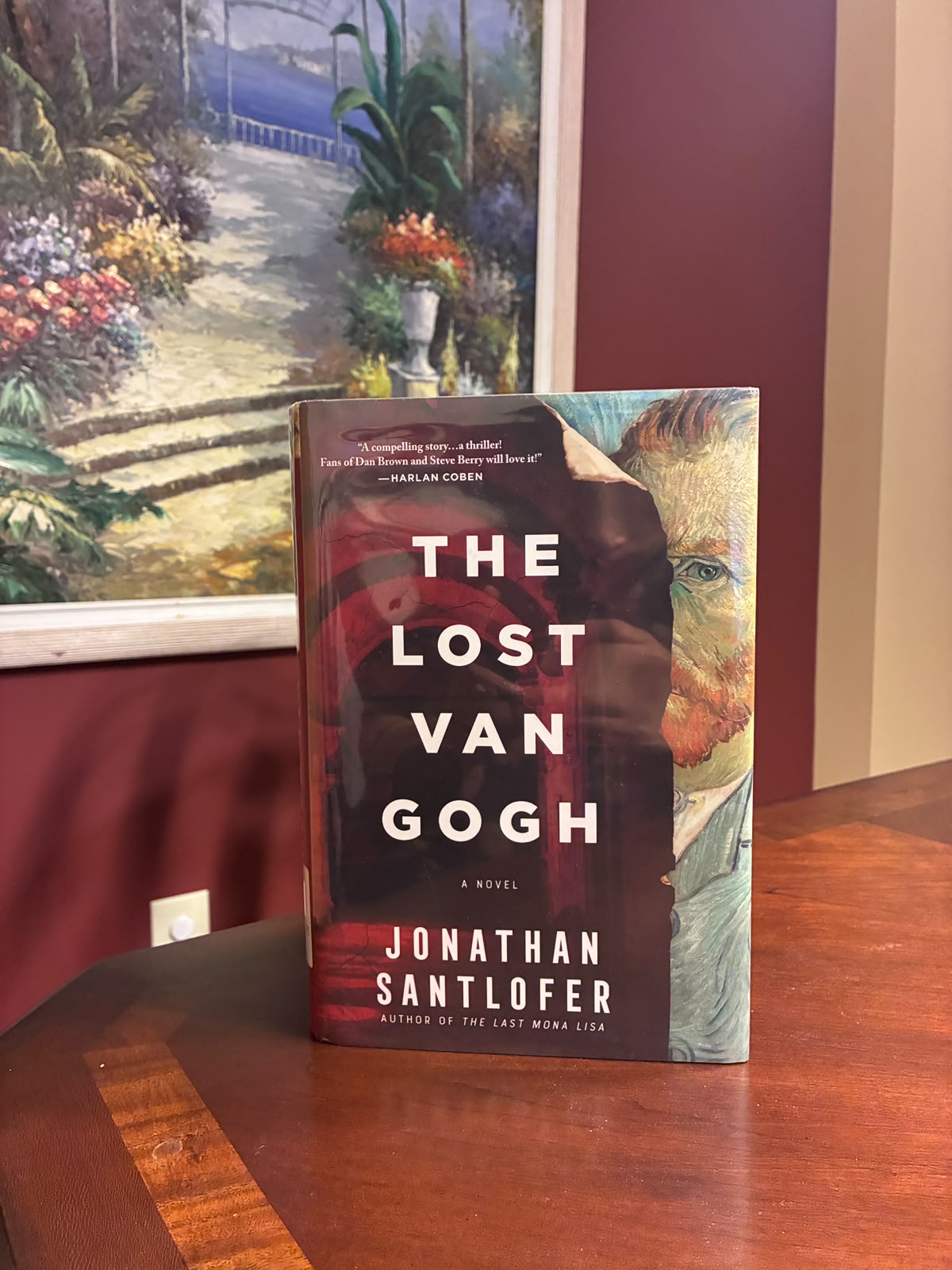
Book Review: The Lost Van Gogh

When I picked up The Lost Van Gogh by Jonathan Santlofer, I expected a thrilling art-heist story, perhaps something along the lines of what Dan Brown achieved with The Da Vinci Code in the 2000s. As someone who has been exposed to art history through years of study since the latter was published in 2006, I was particularly interested in whether Santlofer’s novel would offer something beyond an introduction to European art history and its complicated relationship with the Second World War. In that regard, Santlofer did not disappoint.
The novel begins, as its title suggests, with a lost and newly discovered portrait by Vincent van Gogh, an artwork that had allegedly disappeared around the time of the artist’s funeral in Auvers-sur-Oise, France, in 1890. From there, the story brings together an intriguing cast of characters, including Luke, an artist, and Alex, an art-history graduate student (a character who hit perhaps a little too close to home for me), as well as investigators involved in the international pursuit of stolen artworks, including Interpol agents and members of Mossad. What begins as a mystery surrounding a lost Van Gogh gradually expands into a much larger story about the history and consequences of Nazi-looted art.
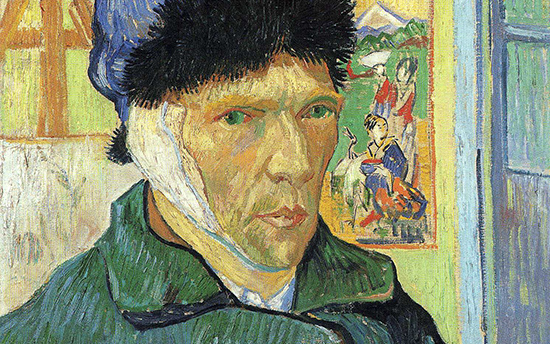
Santlofer devotes considerable attention to the Nazi looting of artworks during the Second World War, using this history as an essential foundation for the novel’s plot. Particularly compelling is his treatment of the continuing importance of restitution: the return of artworks stolen from Jewish families to their rightful owners and descendants. This becomes one of the book’s most fascinating tensions. On the one hand, the novel emphasizes the vital role played by historians, artists, curators, archivists, collectors, and museums in preserving, studying, and making artworks accessible to the public. On the other hand, it asks us to consider whether preservation and public access can ever outweigh the rights of those from whom an artwork was forcibly taken.
In doing so, Santlofer raises an enduring question: who has the right to possess a work of art whose history is entangled with theft and persecution? Should such works remain in major museums in cities such as Amsterdam, London, or New York, where they can be viewed by thousands of people and studied by scholars? Or should they be returned to private collectors and descendants whose families were dispossessed of them? The novel does not treat this as a simple question of public versus private ownership. Instead, it draws attention to the complicated ethical and historical dimensions of deciding who has the legitimate claim to an artwork.
Santlofer is also careful to distinguish between historical fact and fiction. In the acknowledgements, he notes that there is, in fact, a rumored Van Gogh self-portrait that disappeared around the time of the artist’s funeral. He also draws on the well-documented history of Nazi efforts to confiscate and transport artworks they deemed “degenerate,” including works by Jewish artists, with the intention of eventually displaying them in Hitler’s planned Führermuseum in Linz, Austria. For me, as a student of art history, this was one of the most fascinating aspects of the novel. Reading fictional events that were woven together with people, institutions, and episodes rooted in actual history made the story particularly compelling.
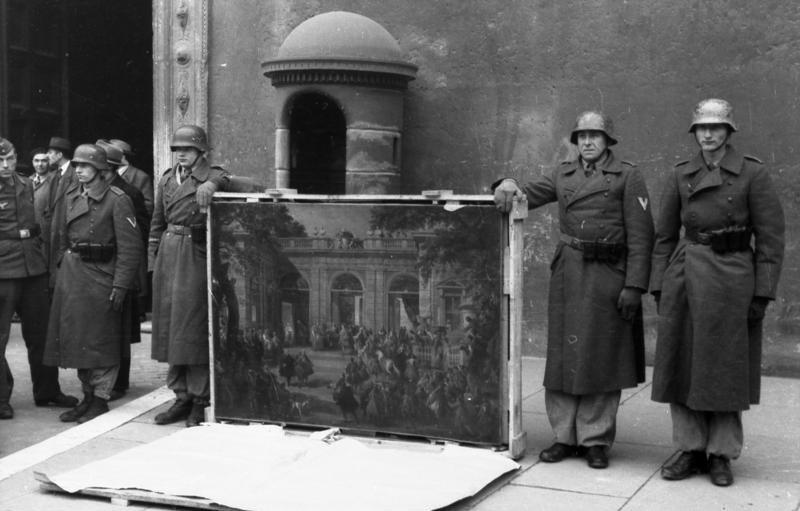
What makes The Lost Van Gogh especially engaging, then, is not simply its art-heist premise but the way it uses that premise to explore the complicated afterlife of artworks. Paintings can survive wars, theft, displacement, and political upheaval, but their histories remain embedded in them. A museum label or catalogue entry can identify an artist and a date, but it cannot always capture the human stories of loss and dispossession behind an object’s journey.
Ultimately, The Lost Van Gogh is more than a mystery about a missing painting. It is also a reflection on who gets to tell the history of art, who gets to preserve it, and, perhaps most importantly, who gets to claim it. For readers interested in art history, Nazi-looted art, museum ethics, or the ongoing debates surrounding restitution, Santlofer’s novel offers an accessible and entertaining entry point into questions that remain deeply relevant today. While the book is firmly rooted in fiction, its historical foundations are what give the story its greatest weight, leaving the reader with the uneasy realization that some of its most extraordinary events are not inventions at all.